
Introduction
Thyroid disorders are common health problems that can affect anyone. The thyroid gland, though small, plays a big role in your body. It controls how fast your body uses energy, how you feel, and even how your heart beats. Because of this, thyroid disorders can cause many symptoms. Early detection and proper treatment can help you feel better and stay healthy.
What Is the Thyroid Gland?
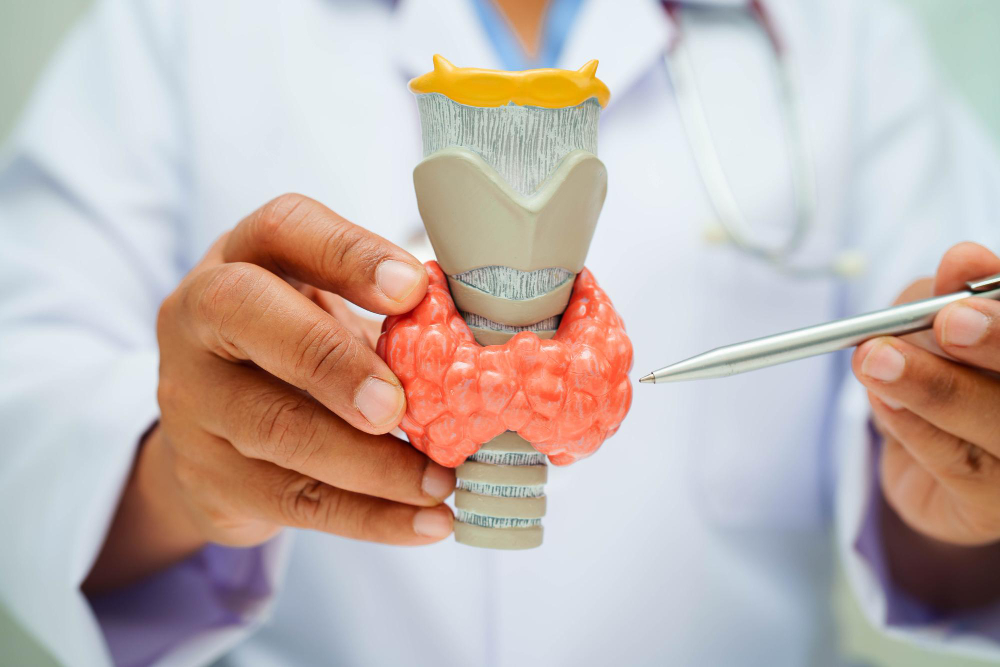
The thyroid gland is a small, butterfly-shaped organ in the front of your neck. It makes hormones that help control your body’s energy use. These hormones affect almost every organ, including your heart, brain, and muscles. When the thyroid works well, your body runs smoothly. However, problems with the thyroid can lead to health issues.
Common Thyroid Disorders
There are several types of thyroid disorders. Each one affects the body in different ways. The most common thyroid disorders include:
Symptoms of Thyroid Disorders
Thyroid symptoms can be mild or severe. They may also look like other health problems. For example, common symptoms of thyroid disorders include:
Because these symptoms are common, it is important to talk to a doctor if you notice them.
Causes and Risk Factors
Many things can cause thyroid disorders. Some people are more at risk than others. For instance, common causes and risk factors include:
Although you cannot change some risk factors, knowing them helps you stay alert for symptoms.
How Thyroid Disorders Are Diagnosed
Doctors use several tests to find thyroid disorders. First, they ask about your symptoms and health history. Then, they may check your neck for swelling. Common tests include:
With these tests, doctors can find out if your thyroid is working properly.
Treatment Options
Treatment for thyroid disorders depends on the type and cause. For example, common treatments include:
Most people feel better with the right treatment. However, it is important to follow your doctor’s advice.
Lifestyle Tips for Managing Thyroid Health
Along with treatment, healthy habits can support your thyroid. For instance, you can:
These steps can help you feel your best every day.
Prevention and Early Detection
While not all thyroid disorders can be prevented, early detection makes treatment easier. Therefore, watch for symptoms and talk to your doctor if you notice changes. If you have risk factors, ask about regular thyroid checks. Early care can prevent serious problems and keep you healthy.
Conclusion
In summary, the thyroid gland may be small, but it has a big job. Thyroid disorders can affect your whole body. With early diagnosis and the right treatment, you can manage symptoms and live well. Consult a at Kesanapalli Bhavya sree for personalized advice on thyroid health.