
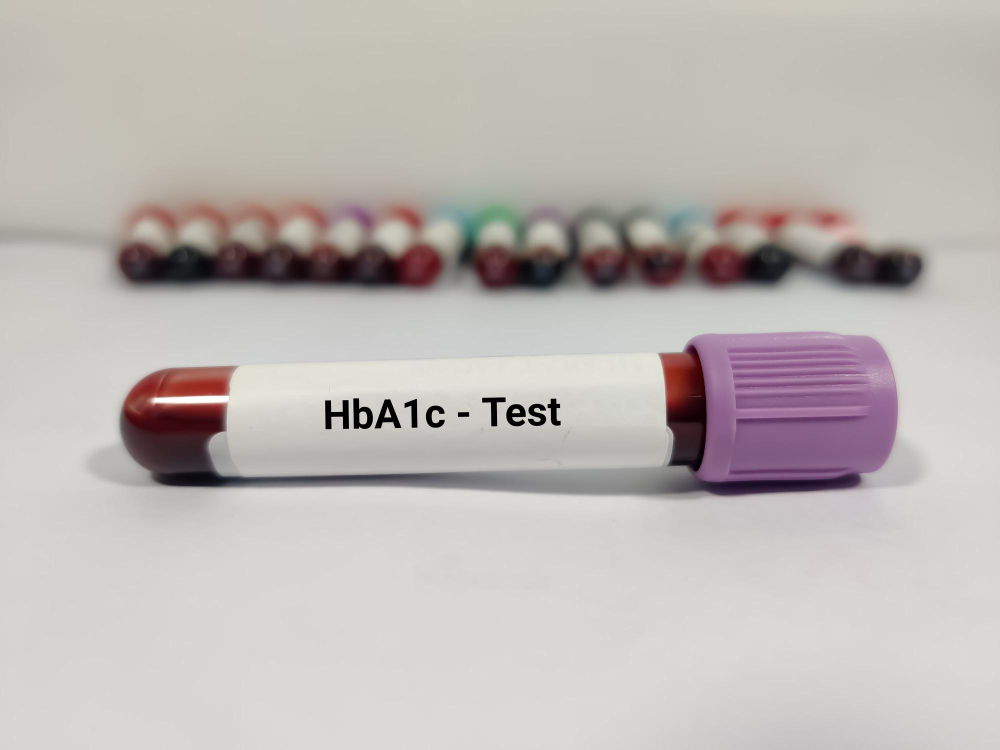
What Is the HbA1c Test?
The HbA1c test is a simple blood test used to check your average blood sugar levels over the past two to three months. Doctors often use the HbA1c blood test to help diagnose diabetes and monitor how well your blood sugar is controlled. Because it gives a bigger picture than daily blood sugar checks, it is an important tool for diabetes monitoring.
How Does the HbA1c Test Work?
When sugar enters your blood, it sticks to a protein in your red blood cells called hemoglobin. The HbA1c test measures how much sugar is attached to this protein. Since red blood cells live for about three months, the test shows your average blood sugar during that time. As a result, it helps your doctor see how well your diabetes plan is working.
What Does the HbA1c Test Measure?
The HbA1c test measures the percentage of sugar-coated hemoglobin in your blood. Higher percentages mean higher average blood sugar levels. For example, an HbA1c level of 6.5% or higher usually means you have diabetes. On the other hand, lower levels suggest better blood sugar control. Here are some common ranges:
Who Should Get an HbA1c Test?
Many people can benefit from the HbA1c blood test. For instance, your doctor may suggest it if you:
Additionally, some health guidelines recommend screening adults over age 45, especially if you live in areas with high diabetes rates.
When and How Often Should You Get Tested?
How often to check HbA1c depends on your health. If you have diabetes, the CDC suggests testing at least twice a year. However, your doctor may recommend testing every three months if your treatment changes or your blood sugar is not well controlled. People without diabetes but at risk should talk to their doctor about when to start and how often to repeat the test.
How to Prepare for the HbA1c Test
Unlike some blood tests, you do not need to fast before an HbA1c test. You can eat and drink as usual. Still, let your doctor know about any medicines you take, as some can affect your results. Also, tell your provider if you have anemia or other blood disorders, since these can change your A1c levels.
Understanding Your HbA1c Results
After your HbA1c blood test, your doctor will explain your results. Lower A1c levels mean better blood sugar control. For most adults with diabetes, the target is below 7%. However, your goal may be different based on your age, health, and other factors. Always ask your doctor what your target should be.
Factors That Can Affect HbA1c Levels
Several things can change your HbA1c results. For example, these factors may affect your A1c levels:
Because of these factors, your doctor may use other tests if your results seem unusual.
Limitations of the HbA1c Test
While the HbA1c test is helpful, it is not perfect. For instance, it may not show sudden changes in blood sugar. Also, it may not be accurate for people with certain blood conditions. In these cases, your doctor may use other tests, such as daily blood sugar checks or a different type of blood test.
Tips for Maintaining Healthy HbA1c Levels
Keeping your A1c levels in a healthy range can lower your risk of diabetes problems. To help manage your blood sugar, you can:
With these steps, you can help keep your HbA1c levels healthy and lower your risk of complications.
Conclusion
If you need an HbA1c test or want to check your blood sugar, Dr. Kesanapalli Bhavya sree is here to help. Book your test today for clear answers and peace of mind.
If you need an HbA1c test or want to check your blood sugar, DrKesanapalli Bhavya sree is here to help. Book your test today for clear answers and peace of mind.