
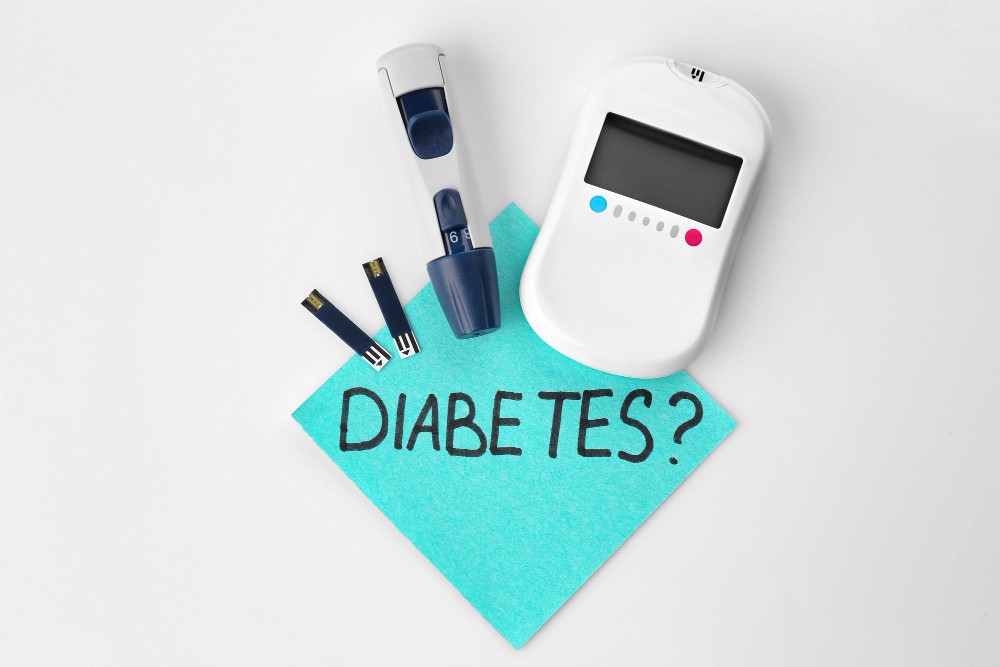
What is Diabetes Mellitus?
Diabetes Mellitus is a long-term health condition. It affects how your body uses sugar, also called glucose. Because of this, your blood sugar levels can become too high. There are two main types: Type 1 and Type 2. Type 2 is more common, especially in adults. However, both types need careful management. According to the World Health Organization (WHO), millions of people worldwide live with Diabetes Mellitus. Early detection and proper care can help prevent serious problems.
Early Signs of Diabetes Mellitus
Recognizing the early signs of diabetes can help you get treatment sooner. Often, these signs are mild and easy to miss. However, paying attention to your body can make a big difference. Common early signs of diabetes include:
If you notice these early signs of diabetes, it is important to talk to your doctor. Early action can help manage blood sugar and prevent diabetes complications.
Importance of Early Detection
Early detection of Diabetes Mellitus is very important. When you catch it early, you can start making changes right away. This can help you avoid serious health problems, such as heart disease, kidney damage, or vision loss. Moreover, early treatment can make it easier to manage blood sugar. In addition, you may need fewer medicines if you act quickly. Regular check-ups and blood tests can help find diabetes before symptoms get worse.
Lifestyle Changes to Manage Diabetes
Making healthy lifestyle changes for diabetes can help control your blood sugar. In many cases, these changes may delay or even prevent the need for medication. Here are some simple steps you can take:
However, it is important to talk to your doctor before making big changes. They can help you create a safe plan to manage blood sugar and prevent diabetes complications.
When to Start Medication for Diabetes
Sometimes, lifestyle changes alone are not enough. If your blood sugar stays high, your doctor may suggest starting medication. In addition, some people may need medicine right away, especially if their blood sugar is very high. Common medicines include pills or insulin injections. Your doctor will decide when to start diabetes medication based on your test results and overall health. Moreover, regular follow-ups are important to check if your treatment is working. If you have questions about when to start diabetes medication, always ask your healthcare provider.
Prevention Tips
Although diabetes cannot always be prevented, you can lower your risk. Here are some tips to help prevent diabetes complications and delay the onset of the disease:
By following these steps, you can take control of your health and manage blood sugar more effectively.
Conclusion
In summary, Diabetes Mellitus is a common but manageable condition. Early signs of diabetes can be easy to miss, but quick action is key. With healthy lifestyle changes for diabetes and regular check-ups, you can manage blood sugar and prevent diabetes complications. If you have concerns or notice symptoms, consult Dr. Kesanapalli Bhavya sree for personalized advice on managing Diabetes Mellitus.