
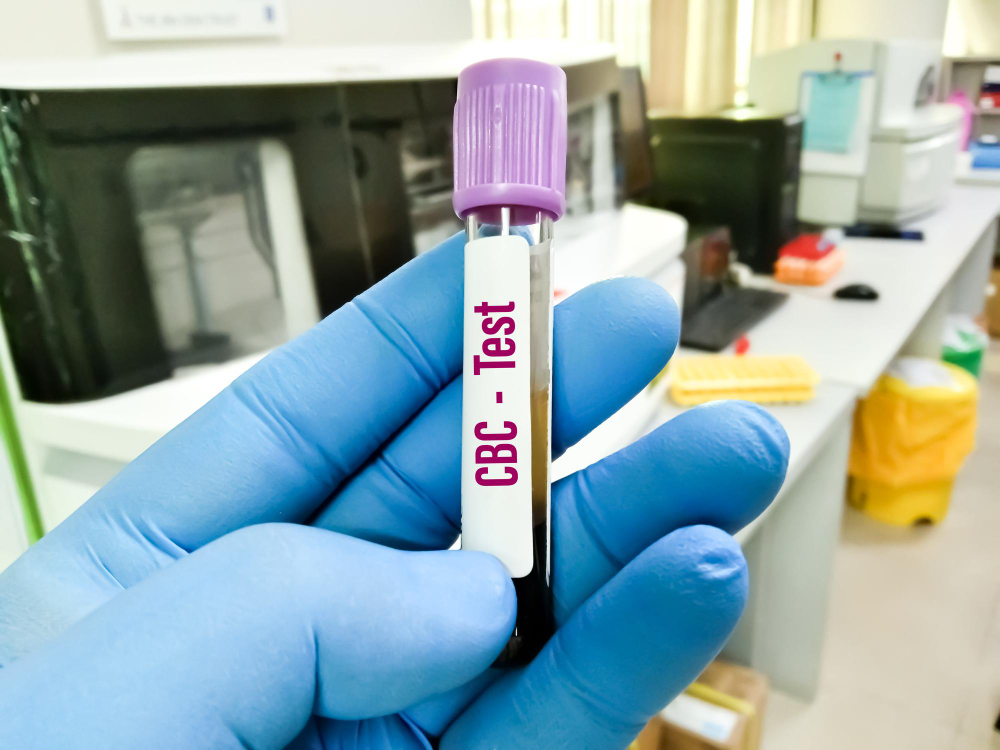
What is a Complete Blood Count (CBC)?
A complete blood count test, or CBC, is a common blood test. It measures different parts of your blood. Doctors use it to check your overall health. For example, a CBC can help find infections, anemia, and other health issues. The test is simple and quick. It gives a lot of useful information about your body. According to the CDC, CBC is one of the most ordered blood tests worldwide.
Why is a CBC Ordered?
Doctors order a CBC for many reasons. Sometimes, it is part of a routine checkup. Other times, it helps find the cause of symptoms like tiredness, weakness, or fever. In addition, a CBC can monitor certain health conditions or check how treatments are working. For example, it is often used before surgery or during cancer treatment.
Key Parameters Measured in a CBC
A CBC gives details about several blood components. Understanding CBC results is easier when you know what each parameter means. Here are the main CBC parameters explained:
What Do Normal and Abnormal Results Mean?
Normal CBC values can vary by age, sex, and lab. However, most labs use similar ranges. If your results are outside the normal range, it does not always mean you are sick. For instance, a low red blood cell count may mean anemia. High white blood cell counts can signal infection or inflammation. On the other hand, low platelet counts may lead to bleeding problems. Always talk with your doctor to understand your CBC results. The World Health Organization notes that many factors can affect these values.
How is a CBC Performed?
Getting a CBC is simple. First, a healthcare worker draws a small amount of blood from your arm. Next, the blood goes to a lab for testing. The process usually takes less than five minutes. Most people feel only a quick pinch. Afterward, you can return to your normal activities right away.
How to Prepare for a CBC
Usually, you do not need special steps before a CBC. However, some tests done with a CBC may require fasting. Your doctor will tell you if you need to avoid food or drinks. If you take medicine, ask your doctor if you should keep taking it before the test. For most people, a CBC is quick and easy with little preparation needed.
Factors That Can Affect CBC Results
Many things can change your CBC results. For example, dehydration can make red blood cell counts look higher. Some medicines may raise or lower your white blood cell count. Infections, stress, or pregnancy can also affect your results. Because of this, it is important to share your health history with your doctor. The CDC recommends repeating the test if results seem unusual.
Frequently Asked Questions About CBC
Conclusion
If you have questions about your CBC results or need more guidance, the caring team at Kesanapalli Bhavya Sree is here to help. Schedule a consultation today for clear answers and support.